Sustainable Solutions: How E-Waste Recycling Services Are Saving Our Planet
Electronic waste presents serious dangers to the environment, as abandoned electronic devices commonly carry harmful materials. These toxic materials have the potential to taint soil and water sources, leading to broader ecological damage. E-waste recycling services present a viable solution. They successfully retrieve useful resources while simultaneously minimizing environmental pollution. Comprehending the operation of these services and their influence on communities is of great importance. The path to successful electronic waste management prompts vital discussions about personal accountability and communal efforts. What actions should be considered going forward?
Why E-Waste Is Bad for the Planet
Even though technological advancements improve contemporary living, e-waste poses serious threats to the environment. Abandoned electronic gadgets, commonly laden with dangerous compounds like mercury, lead, and cadmium, may release harmful substances into the surrounding soil and water supply, posing risks to ecosystems and human health. The swift progression of technology contributes to higher rates of electronics disposal among consumers, exacerbating the accumulation of electronic waste.
Landfills, already strained by waste, are unable to keep up with the rising quantities of abandoned electronics. Incineration, a common waste management technique, emits dangerous pollutants into the environment, degrading atmospheric conditions. In addition, improper recycling practices can lead to the exportation of e-waste to developing countries, where laborers may dismantle devices without adequate safety measures, exposing themselves to dangerous substances. This cycle of neglect and improper handling underscores the urgent need for sustainable recycling solutions that can mitigate the adverse effects of e-waste on the planet.
What Is E-Waste and Why Does It Matter?
Electronic waste, commonly known as e-waste, includes unwanted electronic equipment including smartphones, computers, and televisions that have exceeded their operational lifespan. This rapidly expanding waste category is noteworthy because of its swift buildup, propelled by advances in technology and evolving consumer behaviors. As growing numbers of electronics become outdated, the ecological consequences become more pronounced, with toxic materials such as lead, mercury, and cadmium posing risks to ecosystems and human health.
The significance of tackling e-waste extends beyond minimizing these risks to recognizing the valuable resources it holds. Precious metals and rare earth elements can be recovered and reused, reducing the need for mining and conserving natural resources. With a thorough understanding of e-waste and its impact, people and organizations alike can make educated decisions about disposal and recycling, helping to build a more sustainable world. Responsible management of e-waste plays a key role in supporting a circular economy and championing environmental stewardship.
How the E-Waste Recycling Process Works
The recycling of e-waste encompasses a structured approach intended to extract beneficial components while limiting ecological damage. At the outset, e-waste is collected and transported to dedicated processing centers. Upon arrival, the equipment is meticulously organized to isolate dangerous parts from recoverable materials.
Following this, technicians take apart the items, extracting plastics, metals, and glass. This phase is essential, as it facilitates the retrieval of high-value metals like copper, gold, and silver, which are repurposed in modern electronics.
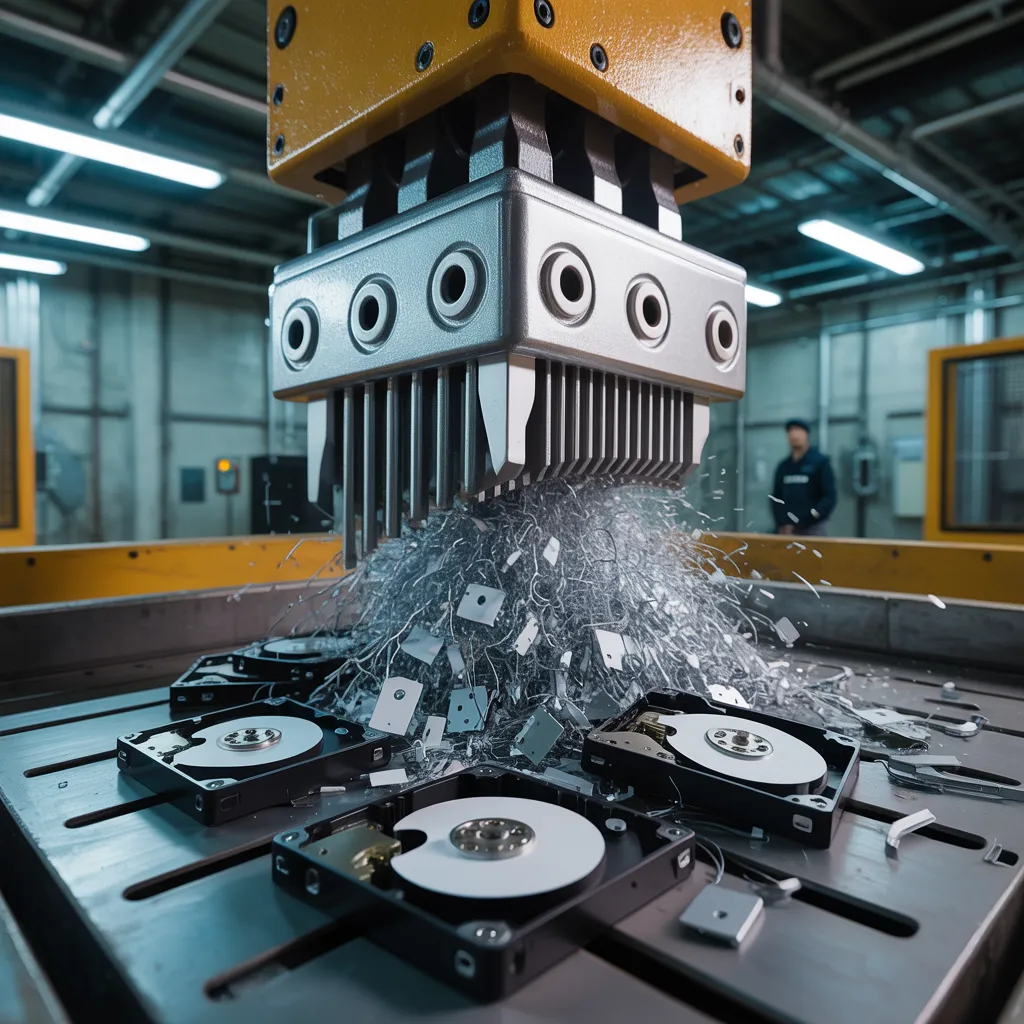
Next, the isolated materials are processed via state-of-the-art techniques, such as shredding and specialized chemical treatments, to purify them for further use.
Finally, the remaining dangerous materials are managed properly, complying with environmental guidelines. This comprehensive process not only conserves resources but also mitigates the risks connected See the full post to irresponsible electronic waste disposal, securing a more eco-conscious future for electronic device usage.
Advantages of E-Waste Recycling for You and Your Community
Although it often goes unnoticed, the advantages of e-waste recycling reach well past personal use to meaningfully influence entire communities. By responsibly disposing of electronic waste, individuals play a role in creating a cleaner environment, reducing hazardous materials that can contaminate soil and water. This forward-thinking practice helps preserve local ecosystems and promotes public health.
Furthermore, e-waste recycling fosters workforce growth within communities. Regional recycling centers frequently need staff for diverse activities, including collection and processing, therefore offering work opportunities within the community. This not only enhances the community economy but also inspires community dedication to sustainable efforts.
Additionally, knowledge about e-waste recycling may result in educational initiatives, encouraging residents to embrace sustainable practices. By taking part in e-waste recycling programs, individuals foster a culture of sustainability, motivating others to embrace similar practices. All things considered, the combined impact of these actions can lead to a more strong and environmentally aware community.
Tips for Choosing an E-Waste Recycling Service
Picking the most suitable electronic waste recycling provider is crucial for ensuring that e-waste is handled with responsibility and sustainability. Initially, people should confirm the provider's credentials, such as e-Stewards or R2, which demonstrate adherence to professional guidelines for secure waste disposal procedures. Additionally, it is advisable to evaluate the company's reputation by reviewing feedback and obtaining advice from dependable sources.
Furthermore, openness in the recycling process is crucial. A reliable company should supply straightforward details about the way e-waste is handled and how the materials are utilized. Additionally, assessing the variety of services available can be advantageous; certain providers may offer collection services or present rewards for recycling.
Ultimately, understanding local guidelines related to e-waste disposal can additionally influence the choice of disposal method. When these considerations are given priority, people are able to support successful electronic waste reduction while supporting environmentally responsible practices.
How You Can Get Involved in E-Waste Recycling?
Participating in e-waste recycling can start at the local level, where community recycling hubs frequently offer essential services for proper disposal. Moreover, participating in community awareness campaigns can strengthen efforts to inform others regarding the importance of proper e-waste handling. These initiatives not only advance environmental sustainability but also foster a collective sense of responsibility toward the environment.
Community Recycling Locations
Many regional recycling hubs fulfill a critical purpose in recycling electronic waste, providing communities with accessible options to handle electronic waste in a responsible manner. These hubs welcome a variety of digital devices, including used computers, handheld devices, and televisions, making certain that hazardous materials are managed safely. The majority of facilities employ trained staff who can guide individuals on proper disposal methods, highlighting the value of recycling rather than landfilling. In addition, numerous facilities provide planned drop-off gatherings or set collection days, enabling residents to engage without difficulty. By utilizing these local services, residents support a circular economy, decreasing environmental damage and advancing sustainable approaches. Connecting with these stations empowers communities to take action against e-waste pollution effectively.
Community Outreach Campaigns
Nearby organizations, schools, and enterprises can partner to arrange initiatives that encourage e-waste collection drives. Community members can serve a critical function in spreading awareness, distributing educational materials, and engaging with the community. By means of these joint initiatives, local inhabitants gain greater awareness and encouragement to properly recycle their e-waste, thereby helping to build a greener and more sustainable tomorrow.
Common Questions and Answers
What Types of Electronics Can Be Recycled?
Various electronics may be recycled, including smartphones, computers, laptops, televisions, printers, and gaming consoles. Furthermore, peripherals such as keyboards, mice, and batteries are also suitable for recycling, aiding in efforts to conserve the environment.
Are There Any Costs Associated With E-Waste Recycling?
That's correct, electronic waste recycling can include charges, subject to the facility. Some facilities charge fees for pickup or handling, while others make services available at no charge, frequently supported by the proceeds from salvaged materials.
How Do Businesses Gain From E-Waste Recycling?
Businesses can benefit from e-waste recycling by reducing disposal costs, improving their green reputation, meeting compliance standards, extracting valuable resources, and potentially generating revenue through resale, ultimately contributing to a more sustainable operational strategy.
What Happens to Data on Recycled Devices?
Data on refurbished devices is often completely removed or eliminated throughout the recycling process. This guarantees private details remains secure, preventing unauthorized access while permitting materials to be reused securely and sustainably across new manufacturing processes.
Are Broken Electronics Eligible for Recycling?
Yes, defective electronics are able to be recycled. Numerous recycling centers accept broken devices, ensuring responsible disposal and retrieval of useful materials. It helps reduce harm to the environment while fostering responsible recycling practices to address electrical waste effectively.